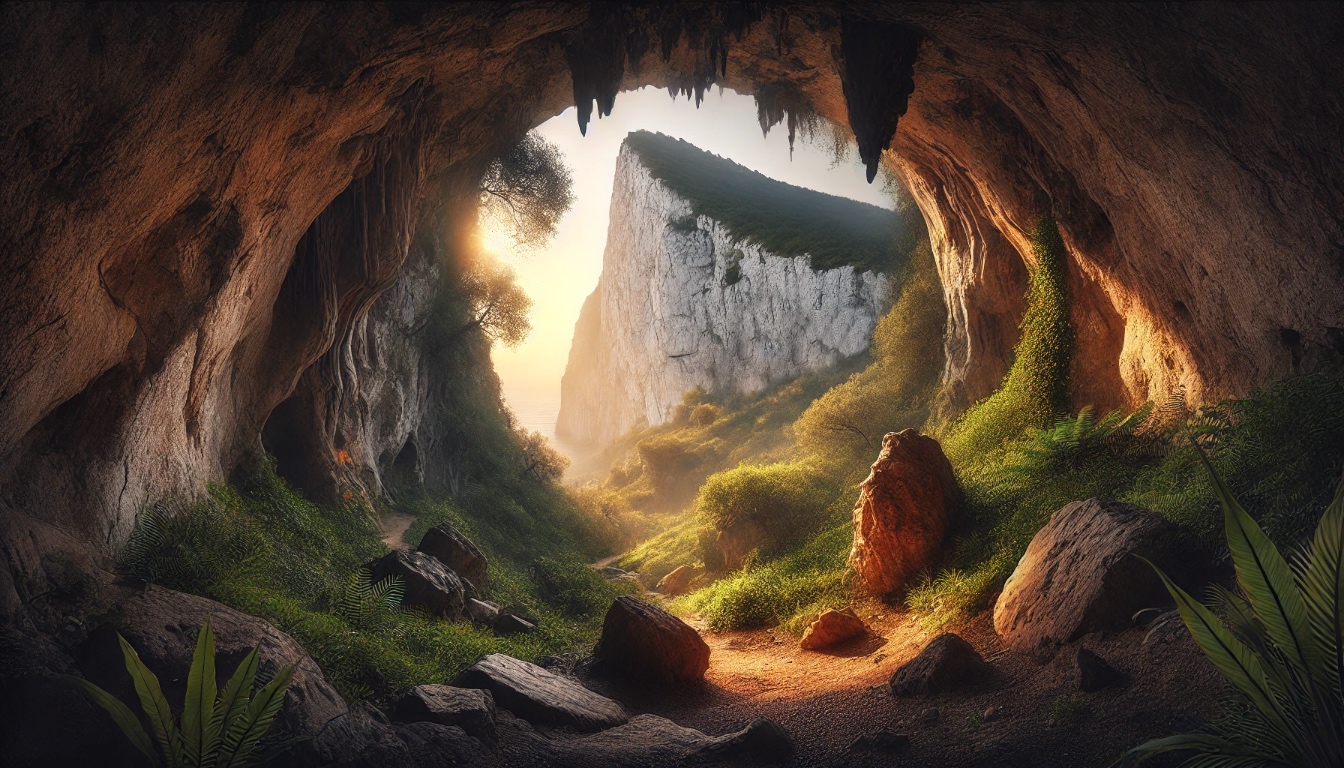
Hidden Histories Beneath the Rock
Gibraltar is widely recognised for its towering Rock, an iconic symbol of this small British Overseas Territory. However, what many visitors don’t realize is that beneath this famous geological feature lies an intricate network of caves, tunnels, and secret passageways, each with a unique history. From ancient times to modern wars, Gibraltar’s subterranean world is rich with stories of human habitation, military strategy, and folklore. This article delves deeper into the caves of Gibraltar, their formation, their historical importance, and how they offer adventure for visitors today.
How Gibraltar’s Caves Formed
The caves beneath Gibraltar’s Rock are a testament to the immense geological forces that shaped the region over millions of years. The Rock of Gibraltar is primarily composed of limestone, a sedimentary rock formed from the skeletal fragments of marine organisms. Over time, this rock became susceptible to the erosive forces of water. When rainwater, slightly acidic due to absorbed carbon dioxide, seeped into the ground, it began to dissolve the limestone slowly. This process, called karstification, led to the creation of an extensive network of caves beneath the surface.
St. Michael’s Cave is perhaps the most famous of these subterranean spaces. It features dramatic stalactites and stalagmites formed by the gradual deposition of minerals over centuries. However, St Michael’s Cave is just one of many. The Rock contains various other caves, including sea caves, shaped by the powerful waves of the Mediterranean, and dry karst caves, formed over millennia by the dissolution of limestone.
The Role of Neanderthals in Gibraltar’s Caves
Before Gibraltar became a strategic military outpost, it was home to some of Europe’s earliest inhabitants—Neanderthals. Archaeological discoveries made in Gorham’s Cave have provided fascinating insights into the lives of these ancient humans. Located on the eastern side of the Rock, Gorham’s Cave is one of the most significant Neanderthal archaeological sites in the world, and excavations there have uncovered a wealth of artefacts.
The cave was a shelter for Neanderthals for thousands of years. Evidence found in the form of hearths, stone tools, and animal bones suggests that they lived in this area, hunting animals and using the caves for protection from the elements. One of the most remarkable discoveries within Gorham’s Cave is a cross-hatching pattern carved into a rock wall, believed by some scientists to be an early form of symbolic expression. This discovery has led researchers to rethink the cognitive abilities of Neanderthals, indicating that they were capable of abstract thought, previously thought to be unique to Homo sapiens.
UNESCO designated Gorham’s Cave as a World Heritage site in 2016. This recognition highlights the cave’s global significance and ensures its preservation as a vital window into the prehistoric world.
Folklore and Legends: Gibraltar’s Caves in Myth
For centuries, the caves of Gibraltar have been surrounded by myth and legend. One of the most well-known tales involves the Barbary macaques, the only wild monkeys in Europe. According to local folklore, these monkeys arrived in Gibraltar through a hidden tunnel that extends all the way from Morocco, across the Strait of Gibraltar. While this is almost certainly a myth, it highlights the sense of mystery that surrounds Gibraltar’s subterranean landscape.
Another enduring legend tells of a pirate treasure buried deep within one of Gibraltar’s caves. According to the tale, Mediterranean pirates once used Gibraltar’s remote caves to hide their stolen riches. Despite many searches, this treasure has never been found, fueling the imagination of treasure hunters and continuing the allure of Gibraltar’s underground world.
There are also stories of haunted caves, where ghostly apparitions and strange sounds have been reported. These tales add to the intrigue of Gibraltar’s caves, attracting visitors curious about the supernatural. Whether rooted in fact or fiction, these stories have cemented the caves’ status as places of wonder and fascination.
The Strategic Importance of Gibraltar’s Caves in Wartime
While the natural beauty and ancient history of Gibraltar’s caves are impressive, their strategic importance during wartime is equally significant. Gibraltar’s position at the entrance to the Mediterranean has long made it a coveted military stronghold. The Rock’s caves and tunnels became crucial to the defense of the territory during various military conflicts, particularly during World War II.
As tensions escalated in the early stages of the war, the British military began a massive effort to expand Gibraltar’s network of tunnels. The result was a labyrinth of tunnels and chambers carved into the solid limestone of the Rock, known as the Great Siege Tunnels. These tunnels housed troops, stored ammunition, and served as command centers, hospitals, and living quarters for soldiers stationed on Gibraltar. The scale of the construction was astonishing; by the end of the war, Gibraltar’s tunnels spanned over 34 miles—nearly matching the surface area of the Rock itself.
The tunnels were built to withstand enemy attacks, including aerial bombings. They were practically impregnable and allowed the British forces to continue operating even under siege conditions. The underground facilities played a key role in Gibraltar’s ability to resist enemy forces and maintain control of the crucial passage into the Mediterranean.
Today, parts of the Great Siege Tunnels are open to the public, offering a glimpse into Gibraltar’s wartime history. Visitors can walk through these tunnels and imagine the tension, determination, and camaraderie that defined life underground during the war. For history enthusiasts, these tunnels are an essential stop in understanding Gibraltar’s strategic role in global conflicts.
Caving Adventures in Modern Gibraltar
While Gibraltar’s caves are historically important, they also offer an exciting opportunity for exploration and adventure. For those who enjoy a more hands-on experience, Gibraltar’s caves provide the perfect setting for caving enthusiasts. While St Michael’s Cave is the most accessible, with well-lit pathways and large chambers, other caves on the Rock require a more adventurous spirit to explore.
Guided caving tours take visitors through some of the lesser-known caves, offering a unique and thrilling experience. These tours often involve navigating narrow passageways, crawling through tight spaces, and wading through underground streams. For the adventurous, these tours reveal hidden chambers that are rarely seen by casual tourists. It’s a chance to experience Gibraltar from a completely different perspective—one that highlights the natural and rugged beauty of the Rock’s interior.
Caving in Gibraltar provides an exciting opportunity to explore a part of the Rock that many people overlook. The caves offer an environment that’s simultaneously serene and awe-inspiring, as adventurers traverse through dark, quiet passageways lit only by headlamps, with nothing but the sound of dripping water and the crunch of limestone beneath their feet.
Preserving Gibraltar’s Caves for Future Generations
As Gibraltar’s caves become more widely recognized for their historical and ecological significance, efforts to preserve them have intensified. One of the main challenges is balancing the growing interest in tourism with the need to protect the caves’ delicate ecosystems and archaeological treasures.
Conservationists and local authorities have implemented measures to keep Gibraltar’s caves accessible. They work to minimise the impact of human activity. Gorham’s Cave, a UNESCO World Heritage site, limits access to protect its fragile environment. Only a select number of visitors are allowed to enter, ensuring that the site remains protected for future generations.
Educational programs help raise awareness about the importance of preserving Gibraltar’s caves. These initiatives focus on both locals and visitors. They emphasize the need to protect these natural and historical treasures. It’s not just about tourism. The caves are vital parts of the world’s cultural and environmental heritage. Through these programs, people learn why preservation matters and how they can contribute. By engaging different audiences, the programs foster a deeper connection to Gibraltar’s unique heritage. As a result, future generations can continue to experience and appreciate these wonders.
How to Explore Gibraltar’s Caves
The Rock’s caves is an experience not to be missed. St Michael’s Cave is the most popular option, open to the public year-round. Its huge main chamber, complete with dramatic rock formations, is often used for concerts and other events thanks to its impressive acoustics.
For those looking to explore more remote caves, guided tours are available. These tours vary in difficulty, with options for both beginners and more experienced cavers. It’s important to choose a tour that matches your level of fitness and experience, as some of the caves can be physically demanding. Safety is always a priority, so make sure to go with a knowledgeable guide and use the proper equipment.
Many visitors combine a caving tour with other popular attractions in Gibraltar, such as a trip to the Upper Rock Nature Reserve, a walk through the Great Siege Tunnels, or a boat ride to see the famous dolphins that inhabit Gibraltar’s surrounding waters. Together, these experiences provide a comprehensive look at Gibraltar’s natural beauty, rich history, and cultural significance.
Gibraltar’s Caves: More Than Just Geological Formations
Beneath Gibraltar’s towering Rock lies a hidden world of history, mystery, and adventure. The caves of Gibraltar are more than just geological formations. They are windows into the past, offering insights into prehistoric human life, wartime strategies, and enduring legends.
These caves hold immense cultural, historical, and scientific value. They provide a glimpse into the daily lives of Neanderthals and the strategic military operations of World War II. For adventurers, they offer thrilling exploration and the chance to see Gibraltar from a unique and rarely seen perspective. Tourism in the region keeps growing. Conservation efforts will protect these natural and historical treasures. Future generations will have the chance to explore and enjoy them.
Next time you visit Gibraltar, take a moment to go beyond the surface and discover the hidden histories beneath the Rock.