The Gibraltar Botanic Gardens: A Living Historical and Botanical Treasure
The Gibraltar Botanic Gardens, commonly referred to as the Alameda Gardens, stand as one of the most historically and botanically significant landmarks on the Rock of Gibraltar. Established in 1816, the gardens have not only served as a serene retreat for soldiers and civilians alike but also as a sanctuary for plant species from around the world. Rich in history, biodiversity, and cultural importance, the Alameda Gardens remain a symbol of Gibraltar’s connection to both its natural heritage and its colonial past.
Origins and Vision
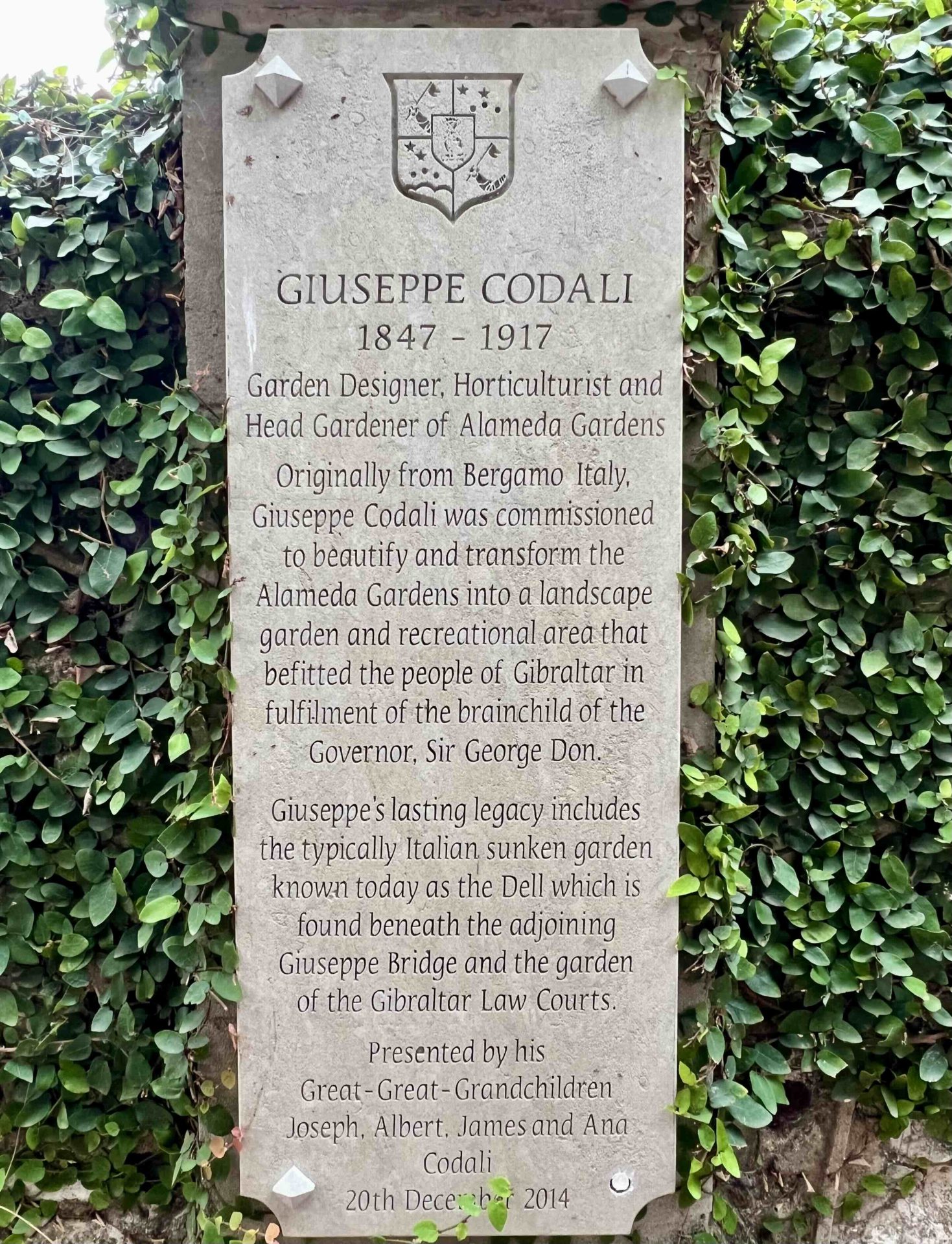
The creation of the Gibraltar Botanic Gardens was the brainchild of General Sir George Don, the Lieutenant Governor of Gibraltar at the time. Don envisioned a place where the soldiers of the Garrison could find respite from their military duties and the harsh Mediterranean climate. The land for the gardens was set aside outside the city walls, and the project began in earnest to create a space of beauty and relaxation. The name “Alameda” derives from the Spanish word for a tree-lined avenue or “poplar grove,” capturing the essence of the towering trees that still define the gardens today.
The gardens were initially landscaped to provide a tranquil environment for relaxation, with an emphasis on introducing both worldwide and native plant species. Over time, many of the trees and plants introduced in the early years grew into towering examples of their species, some of which are now over 200 years old. These trees provide shade and a palpable sense of history, standing as living monuments to the continuity of nature in the face of Gibraltar’s changing urban landscape.
The Neglect and Rebirth of the Gardens
Like many historical spaces, the Gibraltar Botanic Gardens suffered from periods of neglect, particularly during the 20th century. The grandeur that once characterised the Alameda faded, with many areas of the gardens falling into disrepair. However, in 1990, a comprehensive revitalisation programme was initiated with the aim of restoring the gardens to their former glory. This ambitious project saw the gardens rejuvenated, both in terms of their physical appearance and their role within the community.
The restoration programme, led by a team of dedicated horticulturalists and conservationists, culminated in the completion of the project in 1996. One of the standout features of this revitalisation was the addition of an outdoor theatre. Nestled within the gardens, this theatre quickly became a popular venue for cultural performances and public events, further enhancing the Alameda’s status as a central gathering point for the people of Gibraltar.
Locals and visitors can enjoy the arts in a lush, botanical setting. This experience offers a unique opportunity to connect with nature and culture simultaneously.



The Main Walkway: A Botanical Journey Around the World
One of the most popular features of the Gibraltar Botanic Gardens is the main walkway, which begins near the iconic Rock Hotel. Visitors enter the gardens through this pathway and encounter an exhibition of plants from around the globe. This curated display showcases the diversity of plant life found in different continents. This gives visitors an educational experience as they stroll through the various sections.


The walkway guides visitors through various plant ecosystems, from the arid regions of Africa to the temperate forests of Europe. The diversity of species displayed along the main walkway reflects the international influences that have shaped Gibraltar throughout its history. As a British Overseas Territory located at the southern tip of the Iberian Peninsula, Gibraltar has long been a crossroads of cultures and trade routes, and the Alameda Gardens are no exception to this rich legacy.
In addition to the worldwide plant species on display, the Gibraltar Botanic Gardens also dedicate sections to the native flora of the Rock. These native plants are of particular interest to botanists and conservationists, as they represent some of the unique species that thrive in the Mediterranean climate of Gibraltar. The gardens actively conserve these species, many of which face threats from habitat loss and urbanisation.
A Sanctuary for Conservation and Education
While the Gibraltar Botanic Gardens are a beloved space for recreation and relaxation, they also serve an important role in education and conservation. The gardens are home to a range of educational initiatives aimed at promoting awareness of biodiversity and environmental stewardship. Schools and educational groups frequently visit the gardens to learn about plant biology, conservation, and the importance of preserving natural habitats.
One of the key educational programmes run by the gardens focuses on native and endangered plant species. This aims to highlight the importance of conserving Gibraltar’s unique biodiversity. In addition to school visits, the gardens offer workshops, guided tours, and informational displays. These educate the general public about the significance of the plant species they encounter.
In recent years, the Gibraltar Botanic Gardens have also partnered with international conservation organisations to help preserve endangered species. This collaboration has resulted in several successful conservation projects. Projects include the propagation of rare plants, and the reintroduction of native species into the wild. These efforts have helped to establish the gardens as a centre of botanical research, and a vital player in global conservation initiatives.
The gardens also play a key role in supporting local wildlife. The Alameda Wildlife Conservation Park is located within the gardens. It is a small sanctuary that focuses on the conservation of threatened species, and the rehabilitation of injured or abandoned animals. Primarily a refuge for worldwide species, the conservation park also provides a sanctuary for native wildlife. This offers visitors the chance to learn about the fauna that inhabits the Rock of Gibraltar and the wider Mediterranean region.
Iconic Flora of the Gardens
The Gibraltar Botanic Gardens are home to an impressive collection of plant species, ranging from towering trees to delicate flowering plants. Many of these species are notable not only for their beauty but also for their historical and cultural significance.
One of the most iconic trees in the gardens is the Dragon Tree (Dracaena draco). This tree is a monocot and sits in the asparagus family. It is a slow-growing species native to the Canary Islands, Madeira, and Morocco. With its distinctive umbrella-shaped canopy and gnarled trunk, the Dragon Tree is one of the oldest and most recognisable trees in the gardens. This species is particularly revered for its longevity. Some specimens in the gardens are estimated to be several hundred years old.
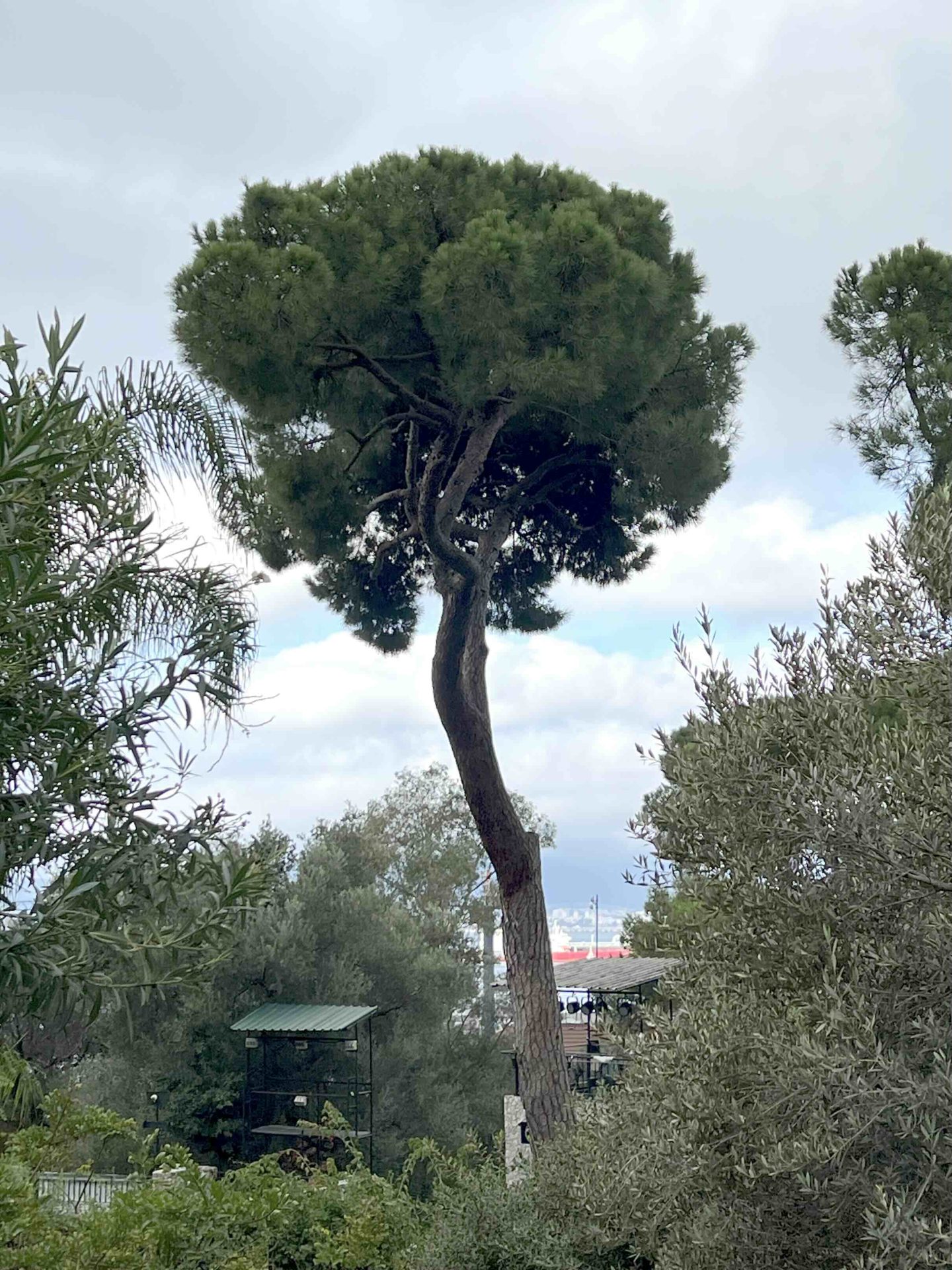
Another notable species found in the gardens is the Stone Pine (Pinus pinea), a Mediterranean native that produces edible pine nuts. The Stone Pine is known for its distinctive umbrella-shaped canopy, which provides much-needed shade in the summer months. Its presence in the gardens reflects Gibraltar’s Mediterranean climate and its connection to the broader ecological region.


The gardens also feature a variety of flowering plants like hibiscus, bougainvillea, and jasmine. These vibrant blooms add bursts of colour throughout the year. The landscape constantly changes, reflecting the seasonal rhythms of nature.
Gibraltar’s Native Plant Species
The Gibraltar Botanic Gardens feature many worldwide species, that also play a critical role in the conservation of the Rock’s native plant species. Gibraltar is home to a number of unique plants that have adapted to the local environment. Many of these plants are not found anywhere else in the world.
One of the most famous of these native species is the Gibraltar Campion (Silene tomentosa). This is a rare and endangered plant that is endemic to the Rock. The Gibraltar Campion was once thought to be extinct, but it was rediscovered in 1994 in a remote area of the Upper Rock Nature Reserve. The plant is now carefully cultivated in the Gibraltar Botanic Gardens. It is protected and propagated as part of a conservation programme aimed at ensuring its survival.
Another important native species is the Gibraltar Candytuft (Iberis gibraltarica). This is a delicate white-flowering plant that is often seen clinging to the limestone cliffs of the Rock. The Gibraltar Candytuft is the national flower of Gibraltar. Its presence in the gardens highlights the importance of preserving the local flora for future generations.
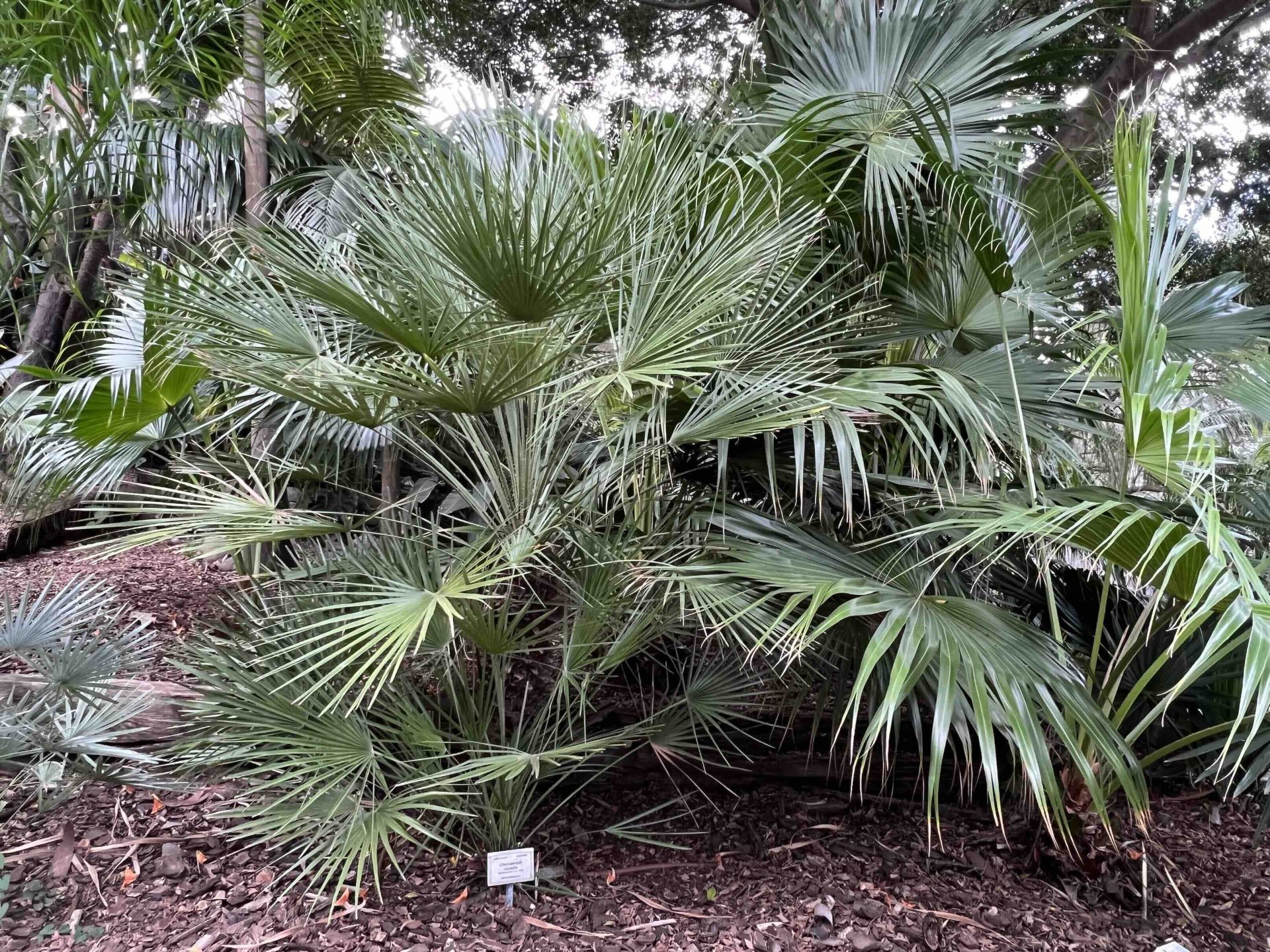
Chamaerops-humilis (European fan palm)
The gardens also support a range of other Mediterranean species, including the Olive Tree (Olea europaea), the Cork Oak (Quercus suber), and the Mediterranean Fan Palm (Chamaerops humilis). All are well-suited to the dry, sunny conditions of Gibraltar’s climate.
The Role of the Gibraltar Botanic Gardens in Community Life
The Gibraltar Botanic Gardens have long been a focal point of community life in Gibraltar. It provides a green oasis for locals and visitors alike. In addition to serving as a venue for cultural events and performances, the gardens host a variety of community activities aimed at promoting environmental awareness and sustainability.

The Open Air Theatre in the Gibraltar Botanic Gardens (The Alameda)
Weddings are also catered for and the famous Dell is a favourite spot for photos.
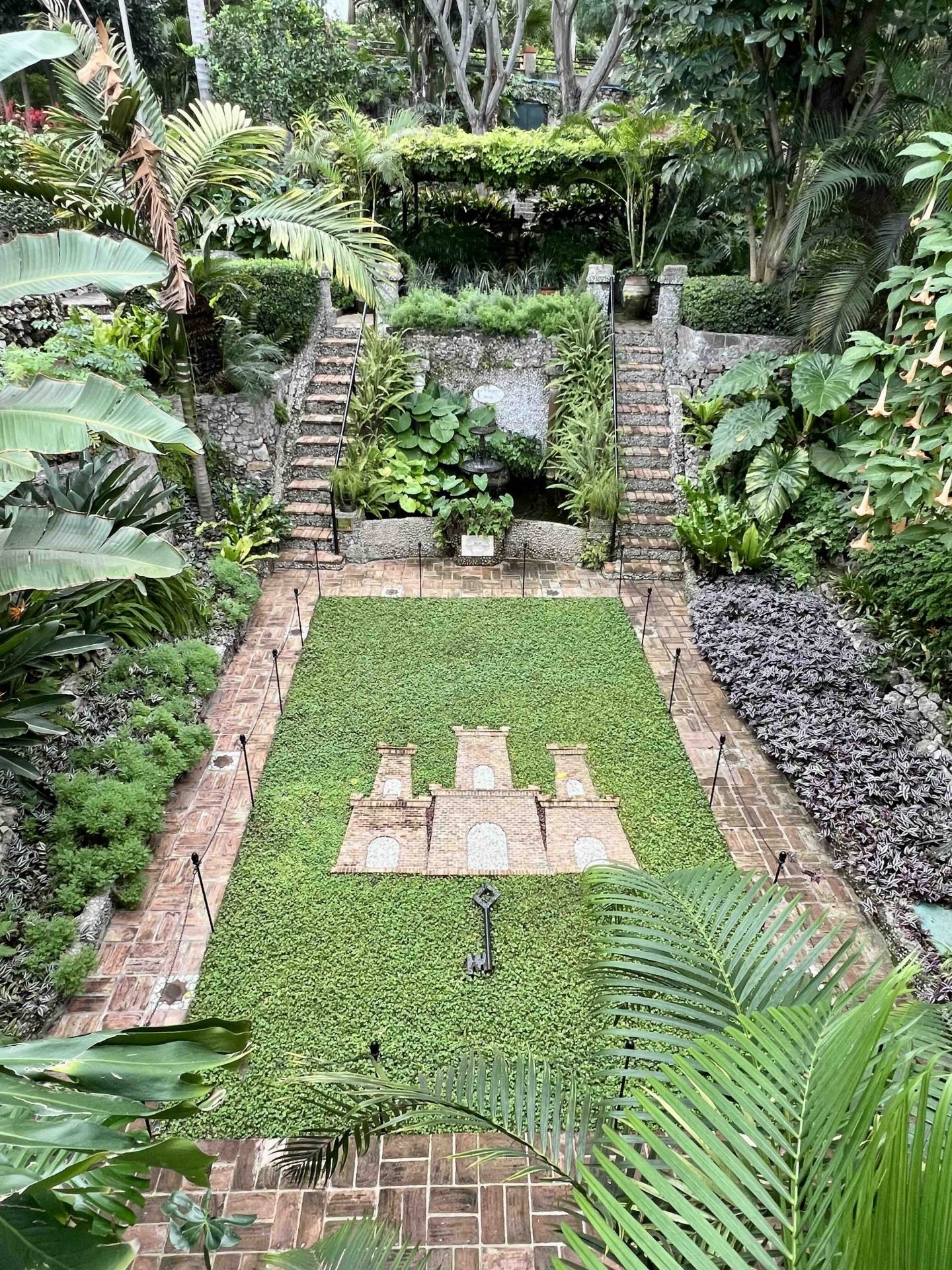
Throughout the year, the gardens organise a range of events, from plant fairs to workshops on gardening and conservation. These events provide an opportunity for people of all ages to engage with nature. It also allows for learning more about the plants that make up the rich tapestry of the gardens.
The gardens also offer volunteering opportunities for those who wish to contribute to the ongoing maintenance and conservation efforts. Volunteers play a key role in caring for the gardens. They assist with planting, pruning, and guiding visitors on educational tours.
A Centre for Botanical Education
Though the Gibraltar Botanic Gardens have a long history, they remain vibrant and relevant in today’s world. The gardens serve as a historical landmark and a centre for botanical education. They offer a sanctuary for visitors and a home for diverse plant species. The gardens also act as a hub for community engagement. Visitors can stroll through the main walkway or attend a performance at the outdoor theatre. They experience a unique blend of natural beauty and cultural heritage, deeply woven into Gibraltar’s identity.


